

%20(1).avif)




.avif)


What Is Negligent Security?
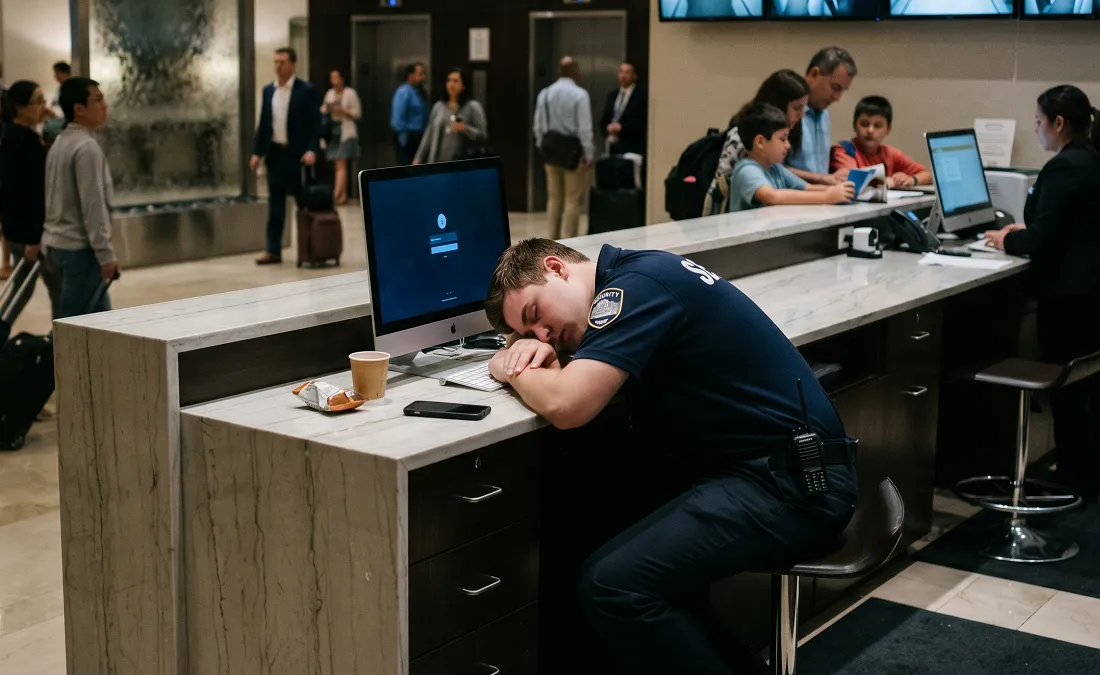
Negligent security is a form of premises liability in which property owners and managers fail to implement adequate safety measures, allowing foreseeable crimes to occur on their premises. Property owners owe a legal duty of care to lawful visitors; when they don’t meet it, the victim may have a valid civil claim.
The central legal principle in these cases is foreseeability: If prior incidents or neighborhood crime patterns made an attack reasonably predictable and the owner did nothing in response, they can be held liable. Our attorneys build the factual record that proves what the property owner knew and what they failed to do.
Where Negligent Security Incidents Happen in Indianapolis
Negligent or inadequate security claims arise across a wide range of properties in Indianapolis, including:
- Apartment complexes and rental properties: Broken entryway locks, missing stairwell lighting, or absent surveillance can expose tenants to preventable harm.
- Hotels and motels: Guests of paid lodgings reasonably expect secure entry points and monitoring in common areas.
- Parking garages and lots: Poor lighting, broken gates, and unmanned stations create conditions where robbery and assault become more likely.
- Nightclubs, bars, and entertainment venues: High foot traffic demands trained security personnel and active crowd management.
- Shopping malls and retail centers: Owners aware of past on-site criminal activity who fail to respond appropriately may face liability.
- College campuses: Schools have an obligation to make areas like dormitory grounds, campus lots, and event spaces safe.
- Office buildings: Visitors and employees have a right to secure entryways and effective access controls.
- Hospitals and healthcare facilities: Promoting patient safety involves ensuring the physical security of a facility’s grounds and parking structures.
If you were harmed at any of these locations, contact us to find out whether you have a viable claim.
Common Security Failures Behind These Claims
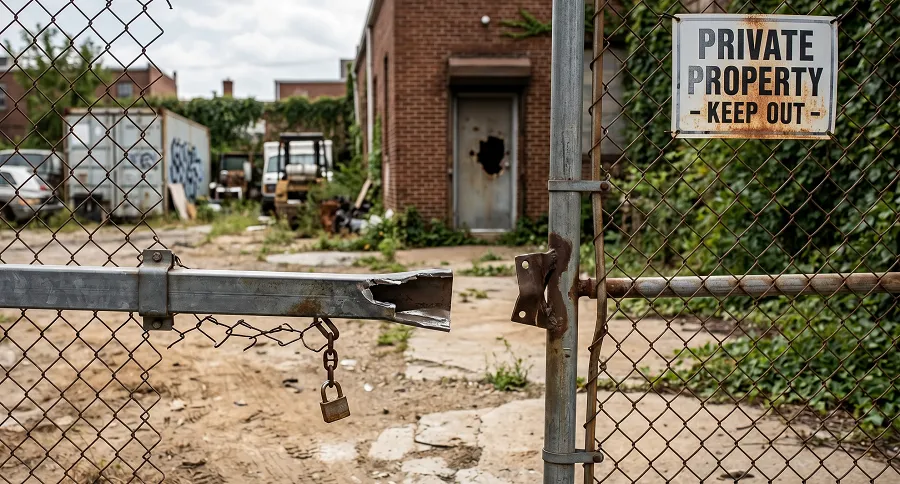
Not every crime is grounds for a negligent security lawsuit. A successful claim requires showing the property owner failed to take reasonable precautions given known or foreseeable risks.
Some of the security failures our attorneys investigate include:
- Broken or missing door and gate locks
- Non-functional or absent surveillance cameras
- Inadequate lighting in parking lots, stairwells, or entryways
- Failure to hire or properly train security personnel
- Understaffed facilities during known high-risk hours
- Disregard of prior criminal incidents on or near the premises
- Ignoring tenant or employee reports of suspicious activity
- Poorly screened or inadequately supervised security guards
- Missing or malfunctioning alarm systems
Our team routinely works with public safety analysts and security consultants to clarify the measures the property owner should have had in place and where they fell short.
Common Injuries in Negligent Security Cases
Victims of crimes rooted in inadequate security often suffer serious harm, both physically and psychologically. Common injuries include:
- Lacerations, puncture wounds, and bruising
- Broken bones
- Gunshot or stab wounds
- Traumatic brain injuries
- Spinal cord damage and paralysis
- Internal organ injuries from blunt-force trauma
- Post-traumatic stress disorder (PTSD)
- Anxiety, depression, and fear of public spaces
- Sleep disruption and cognitive impairment
Indiana courts recognize emotional distress as a legitimate, compensable harm. Our attorneys can work with medical professionals and economic analysts to document the full scope of your injuries and what your long-term recovery will require.
How to Prove a Negligent Security Claim in Indiana

For a negligent or inadequate security claim to succeed in Indiana, the victim must generally establish five key elements.
Lawful Presence on the Property
First, the victim must have been on the premises as a tenant, customer, invited guest, or other authorized visitor at the time of the incident. Trespassers generally aren’t eligible to bring negligent security claims, though the definition of a lawful visitor is broader than many people assume.
Duty of Care
The property owner must have had a legal obligation to maintain reasonably safe conditions for anyone on the premises lawfully. This duty includes identifying foreseeable security risks and taking meaningful steps to address them.
Breach of Duty
The owner must have failed to implement adequate security measures despite knowing (or having reason to know) that criminal activity was a foreseeable risk on or near the property. Previous incidents, crime statistics, and ignored warnings can all serve as evidence of such a breach.
Causation
The security failure must have been a direct and proximate cause of the criminal act and the resulting injuries. In other words, it isn’t enough simply to show that inadequate security was an issue; the security failure must be the reason the harm occurred.
Harm or Loss
Finally, the victim must have suffered compensable physical, emotional, or financial harm as a direct result of the breach. Documented losses such as medical bills, lost income, and the cost of psychological treatment may anchor the value of the claim.
The evidence used to substantiate these cases typically includes police reports, incident logs, surveillance footage, security audit records, witness statements, and testimony from public safety analysts. Our team begins preserving this evidence from day one to keep it from disappearing.
Compensation Available in a Negligent Security Case

Victims of attacks stemming from negligent security may recover compensation for the following:
- Medical expenses: Emergency care, hospitalization, surgery, medications, and any necessary future treatment.
- Lost wages: Income lost during recovery and reduced future earning capacity.
- Pain and suffering: Physical pain and discomfort from the injuries the attack caused.
- Emotional distress: PTSD, anxiety, depression, and related psychological impacts.
- Loss of enjoyment of life: Inability to participate in activities the victim previously took pleasure in.
- Permanent disfigurement or disability: Lasting impairments or visible scarring.
- Loss of consortium: Impact on the victim’s relationship with a spouse or family members.
- Wrongful death: Funeral costs, lost financial support, and loss of companionship when the victim doesn’t survive.
Our skilled attorneys know how to calculate every loss, both current and future, to make sure no element of your recovery is overlooked.
The Statute of Limitations Under Indiana Law
Negligent security claims fall under the heading of premises liability law. Indiana courts apply the state’s modified comparative fault standard when allocating responsibility among the at-fault parties.
Under Indiana Code § 34-11-2-4, most personal injury claims, including those related to negligent security, must be filed within two years of the initial incident. Missing this deadline means losing your right to seek compensation entirely.
That said, there are a few notable exceptions:
- Government-owned properties often require notice within 270 days before litigation can proceed.
- If the victim was a minor, the statute may be tolled (paused) until they reach adulthood.
- If the injuries weren’t immediately apparent, the discovery rule may extend the filing period.
Because these deadlines are strict, and the rules for government claims are especially complex, working with an Indianapolis negligent security attorney is essential.
Steps to Take After a Negligent Security Incident
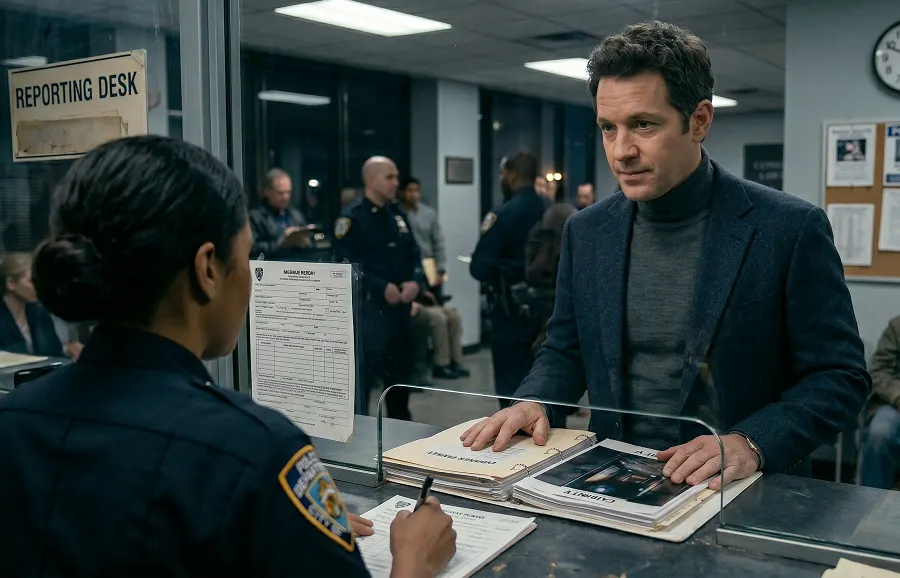
If you’ve been injured in an attack due to negligent security, there are a few things you should do right away to protect yourself and your right to file a claim for compensation:
- Seek medical attention: Even injuries that seem minor may worsen over time. Medical records will also establish the connection between the incident and your injury.
- Report the incident: Notify law enforcement and the property owner or manager, and request copies of any incident reports they file.
- Document the scene: Photograph broken locks, poor lighting, absent signage, or any other visible security failures.
- Gather witness information: Get the names and contact details of anyone who saw the attack happen or is familiar with the security conditions at the property.
- Preserve physical evidence: Hold on to damaged clothing, medical records, and all documentation related to the incident.
- Stay off social media: Insurance investigators frequently monitor claimants’ accounts, looking for statements that could undermine their credibility.
- Contact a qualified negligent security attorney: Reach out to CohenMalad, LLP, before giving any statements to the property owner's insurer.
As members of the American Association for Justice, our team has access to national litigation resources and a network that supports complex personal injury and premises liability matters.

Your Safety Isn’t Solely Your Own Responsibility
CohenMalad, LLP, has been offering a voice to the voiceless since 1968. If inadequate security has put you in harm's way, we’re ready to start building your case.

