


Background

Indianapolis Dental Malpractice Lawyers

Holding Negligent Dentists Accountable for Permanent Harm

Speak To An Attorney
Dental Malpractice

1B+

recovered for clients

300+

years of combined experience

500+

cases won

Why Choose CohenMalad for Your Indianapolis Dental Malpractice Case

Dentists owe patients competent care. When they botch procedures, ignore warning signs, or cause irreversible nerve damage, they must answer for it. Our team at CohenMalad, LLP has been taking on medical and dental negligence cases in Indiana for over 55 years.

We've built our reputation by going after healthcare providers who cut corners and cause lasting harm. Our firm has the courtroom credentials, litigation firepower, and trial-ready approach needed to challenge dentists and their malpractice insurers. We don't chase quick settlements; we fight for the compensation you actually deserve.

  • Top Law Firm
  • CohenMalad, LLP Delivering Proven Results Since 1968 (1)
  • CohenMalad, LLP Delivering Proven Results Since 1968

What Is Dental Malpractice Under Indiana Law

Dental malpractice happens when a dentist, oral surgeon, orthodontist, periodontist, or dental hygienist fails to meet the accepted standard of care and causes injury to a patient. Under Indiana's Medical Malpractice Act (IC 34-18), dental professionals are classified as healthcare providers, which means specific legal procedures apply to your claim.

Here's what you need to understand about dental malpractice in Indianapolis:

  • Standard of care: The level of skill and care that a reasonably competent dentist would provide under similar circumstances.
  • Causation: You must prove the dentist's negligence directly caused your injuries, not just that you had a bad outcome.
  • Damages: You suffered actual harm (physical injury, financial loss, or ongoing complications) because of the dentist's actions.
  • Medical review panel requirement: Before filing a lawsuit, Indiana law requires your claim to go through a medical review panel administered by the Indiana Department of Insurance.

Not every complication from a dental procedure is malpractice. Dentistry carries inherent risks, and complications can occur even with competent care. The question isn't whether you're unhappy with results; it's whether your dentist's treatment fell below the standard expected in the dental community and caused you preventable harm.

Common Types of Dental Malpractice We Handle in Indianapolis

Indianapolis dentists and oral surgeons cause serious injuries through negligence, incompetence, and rushed procedures. We've handled dental malpractice cases involving:

  • Nerve Damage and Permanent Numbness

    Damage to the inferior alveolar nerve, lingual nerve, or mental nerve during extractions, implant placement, or injections can cause permanent numbness, tingling, or burning pain in your lip, tongue, chin, or gums. Some patients lose the ability to taste food or feel temperature on one side of their mouth. Nerve injuries are among the most devastating dental malpractice outcomes because the damage is often irreversible.

  • Botched Root Canals and Extractions

    Failed root canal treatments, perforated roots, broken instruments left inside canals, and extractions that damage adjacent teeth or fracture the jawbone cause chronic pain, infections, and the need for expensive corrective surgery. When a dentist cuts corners during complex procedures, you pay the price with months of suffering and additional treatment.

  • Failure to Diagnose Oral Cancer

    Dentists are often the first healthcare providers to detect signs of oral cancer during routine examinations. When a dentist fails to identify suspicious lesions, lumps, or discolorations (or fails to refer a patient for biopsy), the cancer may advance to a stage where treatment options are limited, and survival rates plummet. Early detection saves lives; missed diagnoses cost them.

  • Dental Implant Failures

    Improperly placed dental implants cause nerve damage, sinus perforation, implant rejection, jawbone deterioration, and chronic infection. When an implant fails due to poor surgical planning, inadequate bone assessment, or placement errors rather than unavoidable complications, the treating dentist or oral surgeon bears responsibility for the resulting harm.

  • Infections from Unsanitary Conditions

    Dental offices that fail to properly sterilize instruments, maintain clean treatment areas, or follow infection control protocols expose patients to serious bacterial infections, hepatitis, or other communicable diseases. Post-procedure infections caused by contaminated instruments or poor surgical technique may constitute actionable malpractice.

  • Anesthesia and Sedation Errors

    Errors in administering local anesthesia, IV sedation, or general anesthesia during dental procedures can cause nerve damage from needle injuries, allergic reactions, respiratory depression, or in the most tragic cases, wrongful death. Pediatric dental sedation cases require particular scrutiny due to the heightened risks children face under anesthesia.

  • Wrong Tooth Extractions

    Extracting the wrong tooth represents one of the most inexcusable forms of dental negligence. When a dentist removes a healthy tooth instead of the problem tooth, you're left with unnecessary pain, an avoidable gap in your mouth, and the original dental problem still unresolved.

  • Informed Consent Violations

    Dentists must explain treatment options, associated risks, and alternatives before performing procedures. When a dentist fails to obtain proper informed consent or misrepresents the risks of treatment, you may have grounds for a malpractice claim even if the procedure was technically performed correctly.

Serious Injuries Caused by Dental Negligence

Dental malpractice causes a range of injuries from temporary complications requiring corrective treatment to permanent, life-altering damage. The severity of your injury directly affects the compensation you may recover.

  • Permanent Nerve Damage

    Damage to facial nerves can cause permanent numbness, loss of taste, chronic pain, or inability to feel temperature in your mouth. Some patients develop complex regional pain syndrome or other chronic pain conditions that last for years after the negligent procedure.

  • Jaw Fractures and TMJ Disorders

    Excessive force during extractions, improper surgical technique during implant placement, or errors during oral surgery can fracture the jaw or damage the temporomandibular joint. These injuries may require surgery, wiring, and months of recovery.

  • Infections Requiring Hospitalization

    Dental infections that go untreated or that result from unsanitary conditions can spread to the bloodstream (sepsis), the brain, or the heart. Ludwig's angina (a severe infection of the floor of the mouth) can be life-threatening if not treated immediately.

  • Sinus Perforation

    Dental implants or upper molar extractions can perforate the sinus membrane, leading to chronic sinusitis, infections, and the need for additional surgery to repair the damage.

  • Tooth Loss and Bone Deterioration

    Improperly performed procedures can result in the loss of healthy teeth, deterioration of the jawbone, and the need for extensive reconstructive work, including bone grafts, implants, and prosthetics.

  • Delayed Cancer Diagnosis

    When a dentist fails to identify or refer suspicious oral lesions, the patient may not receive a cancer diagnosis until the disease has progressed to a more advanced stage, reducing survival rates and requiring more aggressive treatment.

  • Wrongful Death from Sedation Errors

    In the most tragic cases, anesthesia or sedation errors during dental procedures (particularly in pediatric dentistry) can result in respiratory failure and even death. These cases fall under both dental malpractice and wrongful death law.

Indiana's Medical Malpractice Act and Your Dental Claim

Dental malpractice claims in Indiana are governed by the Indiana Medical Malpractice Act (IC 34-18), which imposes specific procedural requirements and damage caps that don't apply to other personal injury cases.

Medical Review Panel Requirement (IC 34-18-8)

Before you can file a lawsuit against a dentist, you must submit a proposed complaint to the Indiana Department of Insurance. The Department convenes a medical review panel consisting of three healthcare providers and one attorney (who serves as chair but doesn't vote). The panel reviews evidence from both sides and issues a non-binding opinion on whether the dentist's conduct met the applicable standard of care.

This process typically takes 12 to 18 months. While the panel opinion isn't binding in court, a favorable opinion significantly strengthens your negotiating position with the dentist's malpractice insurer.

Statute of Limitations (IC 34-11-2-4)

You have two years from the date the malpractice occurred to file your proposed complaint with the Indiana Department of Insurance. Indiana recognizes a "discovery rule" in some cases. If you didn't know and couldn't reasonably have known about the injury at the time it occurred, the clock may start when you discover the injury. However, relying on the discovery rule is risky; acting promptly protects your rights.

Damages Cap (IC 34-18-14)

Total damages for dental malpractice claims against qualified healthcare providers are capped at $1.8 million for acts occurring after July 1, 2019. The individual dentist is responsible for the first $500,000, and the Indiana Patient's Compensation Fund covers the remainder up to the cap.

This cap applies only to dentists who carry the required malpractice insurance and pay into the Patient's Compensation Fund. Understanding how the cap applies to your specific case is critical for evaluating fair settlement offers.

Comparative Fault (IC 34-51-2)

Indiana follows a modified comparative fault system. If you're found partially at fault for your dental injury, for example, if you failed to follow post-operative instructions or didn't disclose relevant medical history, your damages will be reduced by your percentage of fault. However, if your fault exceeds 50%, you cannot recover any damages.

Indiana Professional Licensing Agency Records

The Indiana Professional Licensing Agency maintains disciplinary records for all licensed dentists in Indiana. You can verify whether your dentist has a history of disciplinary actions, license suspensions, or malpractice complaints. A dentist's disciplinary history can be relevant evidence in your case.

Compensation Available for Indianapolis Dental Malpractice Victims
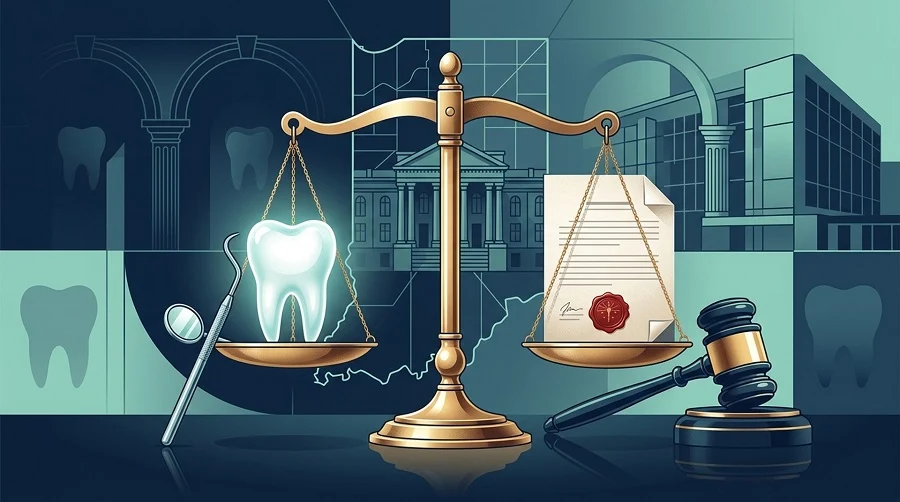
If we prove that your dentist's negligence caused your injuries, Indiana law allows you to recover both economic and non-economic damages. Dental injuries can be extraordinarily expensive to repair and can cause years of ongoing pain.

Economic Damages

  • Past and future medical and dental expenses, including corrective surgery, implants, prosthetics, and ongoing dental care;
  • Lost wages and diminished earning capacity if your injuries affect your ability to work;
  • Out-of-pocket costs for prescriptions, travel to specialists, and other expenses directly caused by the dental injury.

Non-Economic Damages

  • Pain and suffering, including both physical pain from the injury and emotional distress from disfigurement, chronic pain, or loss of function;
  • Loss of enjoyment of life if nerve damage affects your ability to eat, taste food, speak clearly, or smile;
  • Mental anguish and anxiety related to future dental treatment.

Understanding Case Value

Several factors affect potential compensation:

  • Severity of your injuries: Permanent nerve damage warrants significantly more compensation than temporary pain.
  • Duration of treatment: Years of corrective procedures add up.
  • Age when damage occurred: Younger patients face decades of living with impaired function.
  • Impact on work and daily activities: Some patients can no longer perform their jobs effectively.
  • Need for ongoing care: Regular dental monitoring and treatment are required indefinitely.

We fight for compensation that reflects the full impact of your dental injuries, not just immediate medical bills.

The Legal Process for Your Dental Malpractice Claim

  • Step 1: Free Case Review

    We evaluate your dental treatment, injuries, and medical records to determine whether you have a valid claim. We’ll provide an initial honest assessment of your case and a plan for moving forward. This consultation costs you nothing and creates no obligation.

  • Step 2: Case Investigation

    If you have a case, we gather evidence, including dental records, X-rays, treatment notes, and billing statements. We work with dental specialists to document where your dentist's treatment fell below the accepted standard of care.

  • Step 3: Filing Proposed Complaint with Indiana Department of Insurance

    We file a comprehensive proposed complaint detailing your dental treatment, resulting injuries, and the dentist's failure to meet the standard of care. This initiates the mandatory medical review panel process.

  • Step 4: Medical Review Panel Proceedings

    We present your case before the three-member healthcare panel, building a strong foundation for settlement negotiations or trial. The panel issues a non-binding opinion on whether the dentist breached the standard of care.

  • Step 5: Settlement Negotiations

    With the panel opinion in hand, we negotiate aggressively with the dentist's malpractice insurer. A favorable panel opinion significantly strengthens our position.

  • Step 6: Filing Lawsuit in Marion County (If Necessary)

    If the insurance company refuses to offer fair compensation, we file a lawsuit in Marion County Superior Court and pursue your claim through litigation.

  • Step 7: Discovery, Depositions, and Trial Preparation

    We depose the negligent dentist, retain additional experts, request all relevant documents, and build a trial-ready case that puts maximum pressure on the defense to settle.

  • Step 8: Resolution — Settlement or Trial

    Whether your case is resolved through a negotiated settlement or a jury verdict, we fight for maximum compensation for your dental injuries, pain, lost wages, and future treatment costs.

CTA back

Find Out If You Have a Case — Call CohenMalad Today

Dental malpractice cases are complex, but you don't have to navigate Indiana's legal system alone. If you've suffered lasting harm from a dentist's negligence, we're here to fight for you.

Frequently Asked Questions About Indianapolis Dental Malpractice

  • What qualifies as dental malpractice in Indianapolis?

    Dental malpractice occurs when a dentist, oral surgeon, or other dental provider delivers treatment that falls below the accepted standard of care, and that substandard treatment causes injury to the patient. This could include botched procedures like root canals or extractions, failure to diagnose oral cancer, nerve damage from improper technique, infections from unsanitary conditions, or anesthesia errors. You must prove the dentist was negligent, as a bad outcome alone isn't enough.

  • How long do I have to file a dental malpractice lawsuit in Indiana?

    Under IC 34-11-2-4, you have 2 years from the date the malpractice occurred to file your proposed complaint with the Indiana Department of Insurance. However, because Indiana requires you to go through the medical review panel process before filing suit (a process that can take 12 to 18 months), you need to contact an attorney well before the two-year deadline. The discovery rule may extend the deadline if you couldn't reasonably have known about the injury when it occurred. The best course of action is to contact our Indiana dental malpractice specialists as soon as you suspect something is wrong.

  • What is Indiana's medical review panel, and why does it matter for my dental malpractice case?

    Indiana's Medical Malpractice Act requires that all dental malpractice claims against qualified healthcare providers be reviewed by a medical review panel before a lawsuit can be filed. The panel consists of three healthcare providers who review the evidence and issue a non-binding opinion on whether the dentist breached the standard of care. While the opinion isn't binding in court, a favorable panel opinion significantly strengthens your case and can encourage settlement.

  • How much is my Indianapolis dental malpractice case worth?

    Case value depends on the severity of the injury, the cost of corrective treatment, lost wages, pain and suffering, and whether the injury is permanent. Indiana caps total damages for qualified healthcare provider malpractice claims at $1.8 million for acts occurring after July 1, 2019. Within that cap, cases involving permanent nerve damage, disfigurement, or delayed cancer diagnosis typically command higher values than cases involving temporary pain or easily corrected errors.

  • Can I sue my dentist for a bad root canal in Indianapolis?

    Yes, if the root canal was performed negligently and caused you injury. Common root canal errors that may support a malpractice claim include perforating the root, leaving broken instruments inside the canal, failing to completely clean the canal (leading to infection), or damaging an adjacent tooth during the procedure. Not every failed root canal is malpractice. You must prove the dentist's technique fell below the standard of care accepted in the dental community.

  • What if my dental implant failed — is that malpractice?

    A dental implant failure isn't automatically malpractice. Implants can fail for reasons unrelated to the dentist's competence, such as the patient's bone density or healing response. However, if the implant failed because of poor surgical planning, inadequate pre-operative imaging, improper placement, failure to treat an infection, or ignoring contraindications, you may have a valid claim. An independent dental specialist review of your records can determine whether negligence played a role.

Don't Let Negligent Dentists Escape Responsibility

Call CohenMalad, LLP today for your free consultation. We'll review your case, explain your legal options, and help you understand what compensation you may be entitled to receive.

Don't let a negligent dentist get away with what they've done to your health. Contact us now and let us fight for the justice you deserve.

The name is invalid
The last name is invalid
The phone is invalid
The email is invalid
This field is required
      This field is required

      By providing a telephone number and submitting the form you are consenting to be contacted by SMS text message. Message & data rates may apply. Reply STOP to opt out of further messaging.

      Thank you!
      Your message has been submitted
      Oops! Something went wrong while submitting the form.