

%20(1).avif)




.avif)


The Dangerous Reality of Cycling in Indianapolis
Indianapolis cyclists face serious dangers every time they hit the road. According to the Indiana Criminal Justice Institute, Marion County recorded 109 cyclists involved in accidents with motor vehicles in a recent year, leading to 69 injuries and six fatalities. These aren't just statistics; they represent real people whose lives were changed forever by drivers who failed to share the road safely.
Indianapolis's Most Dangerous Areas for Cyclists
Our investigation of local accident reports reveals specific locations where bicycle accidents occur most frequently:
High-risk intersections:
- Meridian Street & 38th Street — multiple cyclist injuries from left-turn crashes.
- Keystone Avenue corridor — high-speed traffic with inadequate bike infrastructure.
- College Avenue near Broad Ripple — tourist traffic mixing with recreational cyclists.
- East Washington Street Corridor — commercial trucks and distracted drivers.
- Fall Creek Parkway — limited visibility and aggressive driving patterns.
Dangerous cycling areas:
- Downtown Indianapolis during rush hour traffic
- Monon Trail road crossings with poor sight lines
- Fountain Square area with heavy pedestrian and vehicle traffic
- Irvington neighborhood streets without bike lanes
- Meridian-Kessler area, where residential streets meet arterial roads
The reality is that these dangerous conditions exist because city planning hasn't caught up with Indianapolis's growing cycling community. When infrastructure failures lead to serious injuries, someone needs to be held accountable.
Types of Bicycle Accidents We Handle
Motor Vehicle Collisions
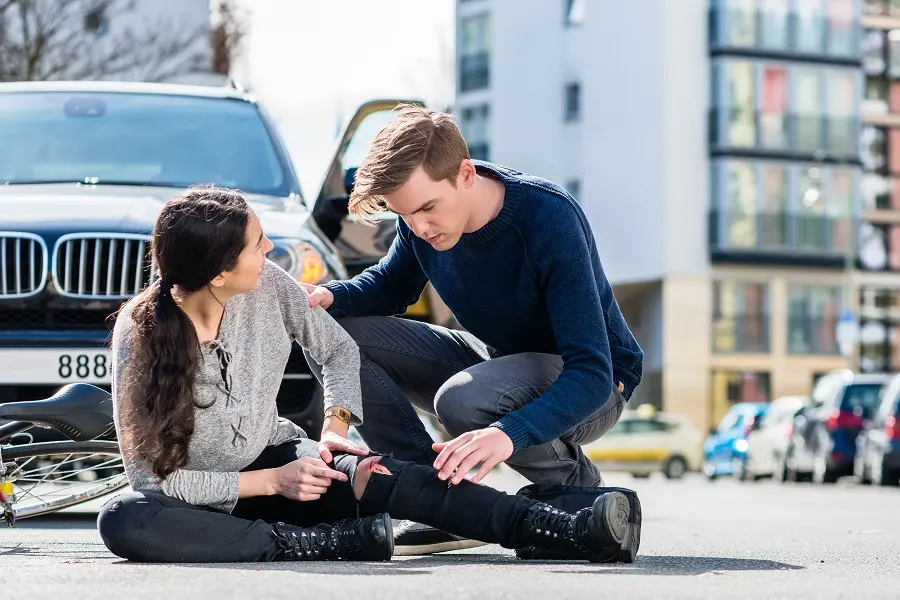
Left-turn crashes are the most common type of bicycle accident. Drivers making left turns often fail to see oncoming cyclists or misjudge their speed, leading to devastating T-bone collisions.
Right-hook accidents occur when drivers pass cyclists and then immediately turn right, cutting them off or striking them during the turn.
Rear-end collisions happen when distracted drivers don't notice cyclists ahead of them, often causing catastrophic injuries due to speed differences.
Hit-and-Run Accidents
Indianapolis sees too many cyclists struck by drivers who flee the scene. These cases require immediate investigation to identify the responsible vehicle through:
- Traffic camera analysis
- Paint transfer examination
- Vehicle debris collection
- Witness interviews
- Surveillance footage from nearby businesses
Dooring Accidents
Car doors opening into bike lanes cause serious accidents, especially in downtown Indianapolis. These cases often involve:
- Inadequate checking by drivers and passengers
- Poorly designed parking spaces next to bike lanes
- Tourist areas where visitors don't expect cyclists
Commercial Vehicle Accidents
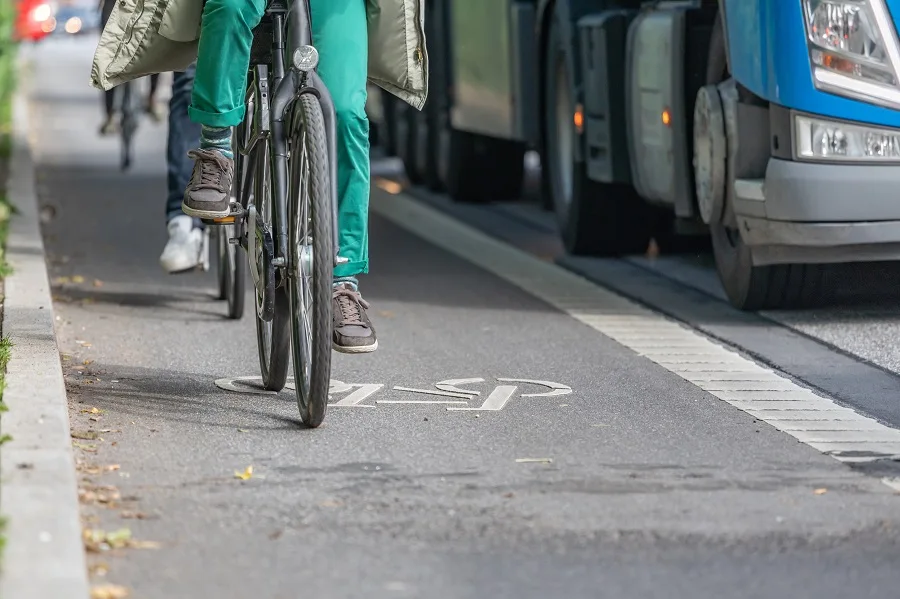
Trucks and delivery vehicles pose significant dangers to cyclists due to their large blind spots and tight turning radius. We've handled cases involving:
- Amazon and FedEx delivery trucks striking cyclists
- Construction vehicles in work zones
- City buses failing to yield right-of-way
- Commercial trucks making wide turns
E-Bike and Electric Scooter Accidents
Electric bicycles and scooters are increasingly common in Indianapolis, but many drivers don't understand their capabilities or legal status. We handle accidents involving:
- E-bikes traveling at higher speeds than expected
- Electric scooter riders struck in bike lanes
- Confusion about where e-bikes can legally operate
Common Bicycle Accident Injuries We Handle
Bicycle accidents often result in catastrophic injuries because cyclists have no protection against 2,000-pound vehicles traveling at high speeds. The medical costs alone can devastate families, and that doesn't include lost wages, ongoing treatment, or the impact on your quality of life.
Traumatic Brain Injuries and Head Trauma
Even cyclists wearing helmets can suffer serious brain injuries when struck by vehicles. We handle cases involving:
- Traumatic brain injury (TBI) with cognitive impairment
- Concussions causing memory problems and headaches
- Skull fractures requiring surgical intervention
- Facial lacerations and reconstructive surgery needs
- Post-concussion syndrome affecting work capacity
Spinal Cord and Back Injuries

The force of bicycle-vehicle collisions frequently damages the spine and surrounding structures:
- Spinal cord damage leading to paralysis (paraplegia or quadriplegia)
- Herniated discs requiring fusion surgery
- Whiplash and cervical spine injuries
- Nerve damage and radiculopathy causing chronic pain
- Compression fractures in the vertebrae
Orthopedic Injuries and Fractures
Cyclists often suffer multiple fractures when thrown from their bikes or crushed under vehicles:
- Wrist and collarbone fractures from impact with pavement
- Pelvic fractures requiring extensive rehabilitation
- Leg and ankle fractures preventing return to work
- Dislocated joints needing surgical repair
- Ligament tears (ACL, meniscus) requiring reconstruction
Severe Soft Tissue Damage
Road rash and skin injuries can be more serious than they appear initially:
- Degloving injuries requiring skin grafts
- Deep lacerations exposing bone and muscle
- Road rash causing permanent scarring and disfigurement
- Abrasions leading to infection and complications
- Contusions and internal bleeding
Internal and Organ Damage
High-impact crashes can cause life-threatening internal injuries:
- Rib fractures puncturing lungs or organs
- Internal bleeding requiring emergency surgery
- Organ damage to the liver, spleen, or kidneys
- Abdominal injuries from handlebar impact
What to Do Immediately After a Bicycle Accident in Indianapolis
The actions you take in the first hours after a bicycle accident can make or break your legal case. Insurance companies deploy investigators immediately to minimize their liability, so you need to protect your rights from the start.
At the Accident Scene
- Call 911 immediately: You need police documentation and medical evaluation, even if injuries seem minor.
- Don't admit fault: Avoid saying "I'm sorry" or speculating about what happened.
- Document everything: Take photos of your bike, the vehicle, road conditions, and visible injuries.
- Get witness information: Collect names and phone numbers of anyone who saw the crash.
- Note road conditions: Weather, visibility, traffic signals, road defects, or construction zones.
After Medical Treatment
- Keep all medical records: Every visit, test, prescription, and treatment recommendation.
- Track your symptoms: Daily notes about pain, limitations, and how injuries affect your life.
- Don't give recorded statements: To anyone without an attorney present.
- Preserve evidence: Save your damaged helmet, clothing, and bicycle as evidence.
- Contact CohenMalad immediately: Time limits exist for preserving evidence and filing claims.
What Insurance Companies Don't Want You to Know
Indiana follows a comparative fault rule, meaning your compensation can be reduced if you're partially at fault for the accident. Insurance adjusters will try to blame you for not being visible enough, not following traffic laws, or riding unsafely. This is exactly why you need an attorney who knows how to fight these tactics.
Compensation Available for Indianapolis Bicycle Accident Victims

Every bicycle accident case is different, but certain types of compensation are available to injured cyclists who can prove that another party's negligence caused their crash.
Economic Damages (Quantifiable Financial Losses)
Medical expenses: All costs related to treating your injuries, including:
- Emergency room treatment and hospitalization
- Surgery and specialist consultations
- Physical therapy and rehabilitation
- Prescription medications and medical devices
- Future medical care needs and ongoing treatment
- Mental health counseling for trauma recovery
Lost wages and income: Compensation for income lost due to your injuries:
- Time missed from work during recovery
- Reduced earning capacity from permanent disabilities
- Lost business income for self-employed cyclists
- Value of sick leave and vacation time used
- Future income losses if you can't return to your previous job
Property damage: Recovery for damaged or destroyed property:
- Bicycle repair or replacement costs
- Damaged safety equipment (helmet, clothing)
- Personal items destroyed in the crash (phone, glasses)
Non-Economic Damages (Impact on Your Life)

Pain and suffering: Compensation for physical pain and emotional distress:
- Ongoing pain from injuries and surgical procedures
- Emotional trauma from the accident experience
- Anxiety and PTSD affecting daily activities
- Depression from lifestyle changes and limitations
- Loss of enjoyment of cycling and other activities
Disfigurement and scarring: Many bicycle accidents leave permanent scars:
- Facial scarring affecting appearance and self-esteem
- Scarring on arms and legs from road rash
- Surgical scars from reconstructive procedures
- Impact on personal and career relationships
Loss of consortium: For married cyclists, compensation for impact on relationships:
- Loss of companionship and affection
- Impact on intimate relationships
- Reduced ability to participate in family activities
Punitive Damages (When Drivers Show Extreme Recklessness)
Indiana allows punitive damages when defendants show gross negligence or intentional misconduct:
- Drunk drivers who strike cyclists
- Drivers who intentionally harm cyclists (road rage incidents)
- Commercial drivers operating vehicles unsafely
- Repeat offenders with multiple violations
Indiana's Laws Affecting Bicycle Accident Claims
Two-Year Statute of Limitations
You have exactly two years from the date of your bicycle accident to file a lawsuit in Indiana. Missing this deadline means losing your right to compensation forever, regardless of how strong your case might be.
The discovery rule may extend your deadline in rare cases where injuries weren't immediately apparent, but you can't count on this exception. Call us immediately to protect your rights.
Comparative Fault Rule
Indiana follows a modified comparative fault system under Indiana Code 34-51-2-7. Your compensation can be reduced by your percentage of fault, but you can still recover damages as long as you're less than 51% responsible for the accident.
Insurance companies abuse this rule by trying to blame cyclists for:
- Not wearing bright enough clothing
- Riding too close to the curb or too far into traffic
- Not using lights during dawn or dusk
- Failing to signal turns or stops
We know how to fight these victim-blaming tactics and prove the driver's negligence caused your injuries.
Uninsured and Underinsured Motorist Coverage

Many Indianapolis drivers carry minimum insurance coverage that won't adequately compensate seriously injured cyclists. Your own auto insurance may provide additional coverage through:
- Uninsured motorist coverage for hit-and-run accidents
- Underinsured motorist coverage when at-fault drivers don't have enough insurance
- Medical payments coverage for immediate medical expenses
We help you identify all available insurance coverage to maximize your recovery.
Indiana's Bicycle Laws
Cyclists have the same rights and responsibilities as vehicle drivers under Indiana law, but specific rules apply:
- Bicycles must ride as far right as practicable when moving slower than traffic.
- Cyclists can take the full lane when necessary for safety.
- Electric bicycles are legal on roads and bike paths with specific power limitations.
- Drivers must maintain a distance of at least 3 feet when passing cyclists.
We use violations of these laws to prove driver negligence and strengthen your case.

Speak to a Lawyer About Your Injuries
Time is of the essence after a bicycle accident. Contact CohenMalad, LLP today to schedule a free consultation and start building your case.

