

%20(1).avif)





.avif)


What Indianapolis Hit and Run Victims Need to Know
Indianapolis is experiencing an unprecedented surge in hit and run accidents. IMPD crash data show that hit-and-run incidents occur every 2.4 hours in our city, with more than 4,000 cases reported annually. These aren't just statistics, but represent real families dealing with injuries, property damage, and the shocking reality that someone hit them and simply drove away.
Here's what every Indianapolis hit and run victim needs to understand immediately:
Criminal vs. Civil Cases: Two Different Fights
When police investigate a hit and run, that's the criminal case against the driver. You need a separate civil case to recover compensation for your injuries and damages. These are completely different legal processes with different goals:
- Criminal case: Prosecuted by Marion County — focuses on punishment.
- Civil case: Your personal injury claim — focuses on compensation.
Most importantly, you can pursue compensation even if the police never identify the driver. Indiana law requires all drivers to carry uninsured motorist coverage, which protects you when hit and run drivers flee.

Why Drivers Run from Accident Scenes
Understanding why drivers flee helps build stronger cases. The most common reasons include:
- Driving under the influence — avoiding DUI charges.
- No insurance or expired coverage — can't afford to be caught.
- Suspended or revoked license — already in legal trouble.
- Outstanding warrants — avoiding arrest on other charges.
- Panic and poor judgment — especially among younger drivers.
- Driving stolen vehicles — can't explain their presence.
Each of these factors can strengthen your civil case because they show the driver's willfulness in leaving the scene.
Indiana Hit and Run Laws Are Serious
Under Indiana Code § 9-26-1-1.1, drivers involved in accidents must stop, provide identification, render aid, and call police. Fleeing the scene isn't just morally wrong, but a serious crime that escalates based on the severity of injuries:
These criminal penalties demonstrate how seriously the state of Indiana treats hit-and-run drivers. When building your civil case, these potential charges demonstrate the driver's liability and reckless behavior.
Steps to Take Immediately After an Indianapolis Hit and Run
The first hour after a hit and run accident determines the strength of your case. Follow these critical steps to protect your legal rights and maximize your chances of identifying the driver:
1. Stay Safe and Get to Safety
- Move out of traffic if possible, but don't chase the fleeing driver.
- Turn on hazard lights and set up flares if available.
- Get yourself and your passengers out of immediate danger.
2. Call 911 Immediately
- Report the hit and run to Indianapolis Metropolitan Police: (317) 327-3811.
- Request emergency medical attention even for "minor" injuries.
- Ask for the police report number for your records.
3. Document Everything at the Scene
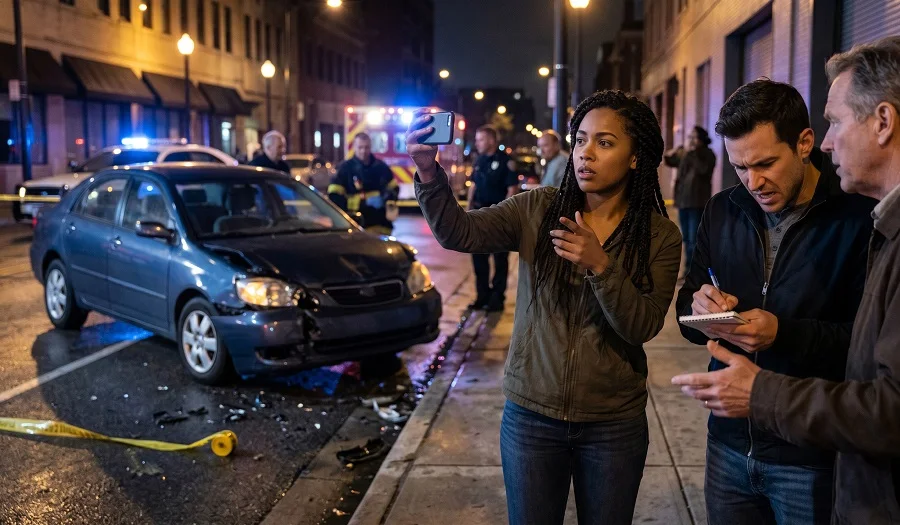
- Take photos of all vehicle damage from multiple angles.
- Photograph the accident scene, including skid marks and debris.
- Record the exact location, time, weather, and traffic conditions.
- Note any security cameras nearby (businesses, traffic lights, doorbell cameras).
4. Gather Witness Information
- Get names, phone numbers, and addresses of all witnesses.
- Ask witnesses to describe what they saw in their own words.
- Record witness statements on your phone if possible.
- Don't let witnesses leave without getting their information.
5. Collect Physical Evidence
- Look for parts of the fleeing vehicle (bumper pieces, mirrors, paint chips).
- Take photos of tire marks, fluid leaks, or debris.
- Save any clothing or personal items damaged in the crash.
- Note the direction the other vehicle traveled when fleeing.
6. Seek Medical Attention Immediately
- Go to the emergency room even if you feel "fine."
- Adrenaline can mask serious injuries for hours or days.
- Create a medical record linking your injuries to the accident.
- Follow up with your regular doctor within 24-48 hours.
7. File a Police Report
- Provide detailed information about the fleeing vehicle.
- Include any partial license plate numbers, vehicle description, or driver details.
- Request a copy of the police report once filed.
- Ask about the case number and the investigating officer’s name.
8. Contact an Indianapolis Hit and Run Attorney
- Call within 24 hours to protect crucial evidence.
- Don't speak to insurance companies before consulting an attorney.
- Time is critical because evidence disappears and witnesses forget.
9. Report to Your Insurance Company
- Notify your insurer about the hit and run.
- File an uninsured motorist claim if the driver isn't found.
- Don't accept quick settlement offers without legal representation.
Following these steps immediately after your hit and run gives you the best chance of identifying the driver and recovering full compensation for your injuries.
How Indiana Law Protects Hit and Run Victims

Indiana has specific laws designed to protect victims of hit-and-run accidents. Understanding these protections helps you recover compensation even when drivers flee and are never caught.
Uninsured Motorist Coverage: Your Primary Protection
Every Indiana automobile insurance company must offer uninsured motorist (UM) coverage under Indiana Code § 27-7-5-2. However, drivers may sign a written waiver if they do not want to purchase UM/UIM coverage. This coverage protects you when you're hit by:
- Drivers without insurance
- Drivers who flee the scene and are never identified
- Drivers with insurance limits too low to cover your damages
UM coverage is automatically included in your policy unless you reject it in writing. Most drivers don't realize they have this protection, but it's often the primary way to recover compensation in hit and run cases.
Indiana's Minimum Insurance Requirements
Indiana requires all drivers to carry:
- $25,000 bodily injury liability per person
- $50,000 bodily injury liability per accident
- $25,000 property damage liability
These minimum limits are often inadequate for serious injuries. That's why UM coverage is critical because it fills the gap when the at-fault driver has insufficient or no insurance.
MedPay Coverage for Immediate Medical Bills
Many Indiana drivers also carry Medical Payments (MedPay) coverage, which pays medical bills immediately, regardless of who caused the accident. This coverage helps with:
- Emergency room visits and ambulance transport
- Surgery and hospitalization costs
- Follow-up medical appointments
- Physical therapy and rehabilitation
MedPay doesn't require you to prove fault, but simply pays medical bills up to your policy limits while you pursue your larger claim.

The Two-Year Statute of Limitations
Indiana Code § 34-11-2-4 gives you exactly two years from the date of your hit and run accident to file a lawsuit. This deadline is absolute. If you miss it by even one day, you lose your right to compensation forever.
The clock starts ticking on the date of your accident, not when the driver is identified or arrested. Don't wait for the police to solve the case before protecting your legal rights.
Comparative Fault Rules Won't Limit Most Hit and Run Victims
Indiana follows a modified comparative fault system under Indiana Code § 34-51-2-5. If you're found partially at fault for the accident, your compensation is reduced by your percentage of fault. However, if you're more than 50% at fault, you recover nothing.
Hit and run cases rarely involve comparative fault issues because drivers who flee are almost always 100% responsible for the accident. After all, if you were significantly at fault, why would they run?
Compensation Available in Indianapolis Hit and Run Cases
Hit and run victims can recover substantial compensation for their injuries and losses. Understanding what damages are available helps you fight for the full compensation you deserve.
Economic Damages: Your Financial Losses

Medical Expenses:
- Emergency room treatment and hospitalization
- Surgery, medications, and medical equipment
- Physical therapy and rehabilitation
- Ongoing medical care and future treatment needs
- Mental health counseling for trauma
Lost Wages:
- Time off work for medical treatment
- Reduced earning capacity due to disabilities
- Lost opportunities and career advancement
- Benefits and retirement contributions lost
Property Damage:
- Vehicle repair or total loss replacement
- Personal property damaged in the crash
- Rental car expenses during repairs
- Diminished value of your repaired vehicle
Non-Economic Damages: Your Personal Suffering
Pain and Suffering:
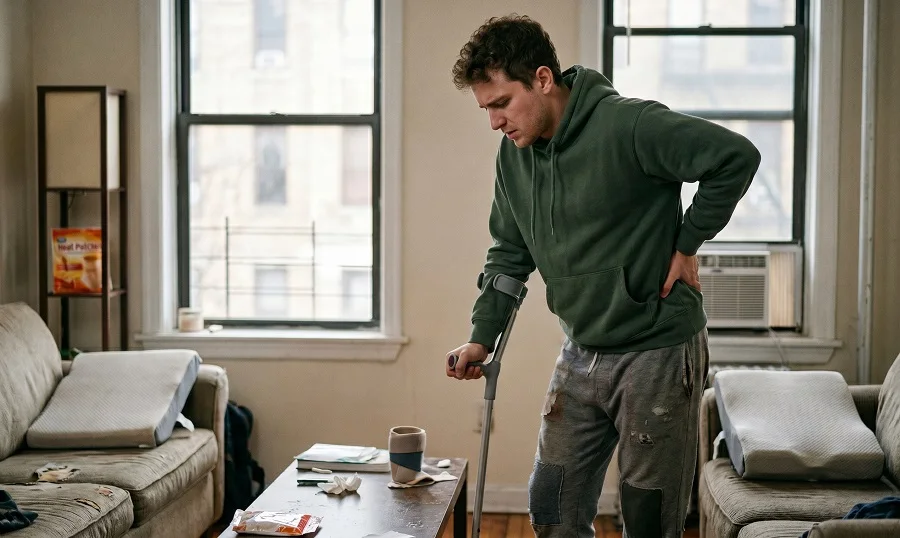
- Physical pain from your injuries
- Emotional distress and anxiety
- Loss of enjoyment of life's activities
- Impact on relationships and family life
Permanent Disabilities:
- Scarring and disfigurement
- Chronic pain and mobility limitations
- Cognitive impairments from brain injuries
- Psychological trauma from the hit and run
Punitive Damages When Drivers Are Identified
If police identify the hit and run driver, you may recover punitive damages designed to punish their outrageous and reckless behavior. Courts award punitive damages when drivers:
- Were driving under the influence when they fled
- Had multiple prior hit and run convictions
- Showed extreme recklessness or indifference to safety
- Attempted to cover up evidence after fleeing
Punitive damages can significantly increase your total recovery beyond compensating for your actual losses.
Real Examples from Indianapolis Hit and Run Cases
While we can't discuss specific client cases, public records show Indianapolis hit and run settlements and verdicts, including:
- $875,000 settlement for pedestrian struck by fleeing driver on East 38th Street;
- $1.2 million verdict for cyclist hit by drunk driver who fled near downtown Indianapolis;
- $425,000 recovery through uninsured motorist coverage when the driver was never found.
These results show that hit and run victims can recover substantial compensation even when drivers are never identified, as long as they have strong legal representation.

