

%20(1).avif)
Indianapolis Pharmaceutical Drug & Medical Device Litigation Lawyer
Standing Up for Victims of Dangerous Drugs and Defective Devices



1B+
recovered for clients
300+
years of combined experience
500+
cases won
Why Choose CohenMalad, LLP for Your Drug or Device Case?
For over 55 years, CohenMalad, LLP has been a steadfast advocate for individuals harmed by dangerous pharmaceuticals and defective medical devices throughout Indiana and across the United States.
Our team has taken on major pharmaceutical companies and device manufacturers, and secured substantial compensation for clients who suffered from side effects and complications that manufacturers failed to disclose.
At CohenMalad, LLP, we thoroughly investigate every claim and build compelling cases that demonstrate the link between our clients' injuries and defective products. When you work with us, you'll have direct access to attorneys who understand both the scientific and legal aspects of these complex cases.
We've successfully represented clients in individual claims and mass tort litigation, delivering results that help them rebuild their lives.


.avif)


Accepting Injury-related Cases including
AGGA Dental Device
AI Chatbot Harm
Baby Formula NEC Lawsuit Lawyers
Bard PowerPort Injury Lawsuit Lawyers
Breast Mesh Lawsuit Lawyers
Covidien Mesh
Depo-Provera Lawsuit Lawyers
Dupixent Lymphoma Lawsuit Lawyers
Glucose Monitor
Hair Color / Cancer
Hair Relaxer / Cancer
Kratom / 7-OH Lawsuit Lawyers
Lamictal / SJS Lawsuit Lawyers
Olympus Scopes Lawsuit Lawyers
Silicosis
Social Media Harm
Spinal Cord Stimulator Injury Lawyers
Suboxone Films Lawsuit Lawyers
Talcum Powder Ovarian Cancer Lawsuit Lawyers
Toxic Airplane Fumes
Ultra-Processed Foods
Video Game Addiction
Wegovy, Ozempic, Mounjaro Lawsuit Lawyers
Understanding Pharmaceutical and Medical Device Litigation
When pharmaceutical companies and medical device manufacturers release products that cause harm, victims deserve compensation. These cases involve unique legal and scientific challenges that require specific knowledge and resources. Our experienced drug and device attorney team specializes in these cases.
How Dangerous Drugs and Devices Reach the Market
Despite FDA oversight, harmful products still reach consumers through several pathways:
- Inadequate testing: Companies sometimes rush clinical trials or design studies that minimize the appearance of side effects.
- Failure to warn: Manufacturers may downplay known risks or fail to properly warn doctors and patients about potential complications.
- Manufacturing defects: Quality control issues can lead to contaminated drugs or poorly constructed devices.
- Design flaws: Some products have inherent design problems that make them unreasonably dangerous.
- Marketing violations: Companies may promote products for unapproved "off-label" uses, exposing patients to unknown risks.
The FDA recall system often reacts slowly, leaving many people injured before action is taken. Our attorneys track FDA warnings, adverse event reports, and scientific studies to identify problematic products early.
Types of Pharmaceutical and Medical Device Cases
Pharmaceutical and medical device litigation generally falls into three categories:
- Individual lawsuits: These cases represent a single person against a pharmaceutical company or device manufacturer.
- Mass tort litigation: When many individuals file separate lawsuits against the same company for similar injuries from the same product.
- Class action lawsuits: Where a small group represents a larger class of similarly affected individuals in a single lawsuit.
Each approach has advantages and considerations. Our attorneys evaluate your situation to determine the most effective strategy for your case.
Common Injuries from Pharmaceutical Drugs and Medical Devices
Defective drugs and medical devices can cause life-changing injuries, including:
- Organ damage: Many pharmaceuticals can cause liver, kidney, or heart damage that may be permanent.
- Internal bleeding: Blood thinners, certain supplements, and some medical devices have been linked to dangerous bleeding.
- Neurological damage: Some drugs cross the blood-brain barrier and cause cognitive issues, seizures, or neuropathy.
- Cancer: Certain medications and implants have been associated with increased cancer risk.
- Birth defects: Medications taken during pregnancy may harm developing fetuses.
- Device migration or breakage: Implants can move from their intended position or fracture inside the body.
- Metal poisoning: Some metal implants release particles that cause systemic toxicity.
- Infection: Medical devices may harbor bacteria or create conditions for infection.
- Autoimmune reactions: Some drugs trigger the immune system to attack the body's own tissues.
These injuries often require extensive medical treatment, may prevent you from working, and can permanently alter your quality of life.
What Makes These Cases Challenging?
Pharmaceutical and medical device cases present unique difficulties, including:
- Scientific complexity: These cases require understanding complex medical and scientific concepts.
- Powerful defendants: Drug and device companies have vast resources to fight litigation.
- Causation hurdles: Proving that a specific product caused your injury can be challenging.
- Preemption defenses: Companies often claim that FDA approval shields them from liability.
- Statutes of limitations: These cases are time-sensitive, with specific deadlines for filing claims.
Our attorneys have successfully overcome these challenges for hundreds of clients, securing compensation that acknowledges the full impact of their injuries.
Seeking Justice for Your Drug or Device Injury?
If you've been harmed by a prescription drug or medical device, time is limited to take action. Don’t miss your opportunity to seek compensation for the injuries you’ve suffered. Contact CohenMalad, LLP today for a free consultation to discuss your potential claim.
Meet Our Indianapolis Drug and Device Team
The pharmaceutical and medical device litigation team at CohenMalad, LLP brings together attorneys with backgrounds in science, medicine, and trial advocacy. Our team stays current on the latest research and regulatory developments affecting pharmaceutical products and medical devices.
We've taken on cases against the largest pharmaceutical companies in the world and have a track record of securing significant recoveries for our clients. Our attorneys have the resources to retain leading medical authorities and the experience to present complex scientific evidence in ways that judges and juries understand.

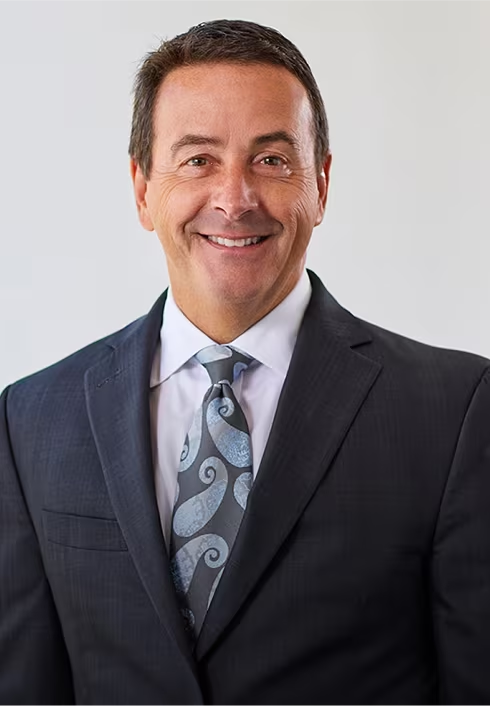
%20B.%20Mulligan%20V.avif)



Frequently Asked Questions About Pharmaceutical and Medical Device Claims
How do I know if my injury was caused by a drug or medical device?
Determining causation often requires medical evaluation and investigation. If you've experienced unexpected side effects or complications after using a prescription drug or medical device, document your symptoms and discuss them with your healthcare provider.
Our attorneys can work with medical consultants to review your medical records and determine whether there's a connection between your injuries and the product in question.
What compensation might I receive in a pharmaceutical or medical device case?
Victims can potentially recover damages for medical expenses, lost wages, and pain and suffering. The specific amount depends on factors like the severity of your injuries, their impact on your life, and the evidence linking the product to your harm. Each case is unique, and our attorneys provide realistic assessments based on your specific circumstances.
How long do these cases take to resolve?
Pharmaceutical and medical device cases can take anywhere from several months to several years to resolve. Complex multi-district litigation or mass torts involving many plaintiffs may take longer.
While we work efficiently, we never rush to settlement if it means accepting less than what your case is worth. Throughout the process, we keep you informed about your case's progress and what to expect next.
Can I still file a claim if the drug or device has been recalled?
Yes, a recall often strengthens your case by showing the manufacturer acknowledged problems with the product. However, recalls don't automatically establish liability, and you'll still need to prove the connection between the recalled product and your specific injuries. Time limits still apply even after recalls, so promptly contacting an attorney is important.
What if my doctor prescribed the medication properly?
You may still have a claim against the drug manufacturer even if your doctor prescribed the medication correctly. Many pharmaceutical cases involve manufacturers failing to warn doctors about risks, concealing safety data, or misrepresenting a drug's safety profile. Your claim would typically be against the company that made the drug, not your healthcare provider.
Founded in 1968
Topping the Super Lawyers and Best Lawyers lists
Wide range of legal services
"The problems of our clients are our problems — not a billing opportunity."
We Are Ready to Advocate for You
