%20(1).avif)





.avif)


What Is Lamictal and Why Is It So Dangerous?
Lamictal (lamotrigine) is an antiepileptic medication manufactured by GlaxoSmithKline and approved by the FDA in 1994. Originally developed to treat epilepsy, doctors later began prescribing Lamictal for bipolar disorder maintenance, making it one of the most widely prescribed psychiatric medications in the United States.
Here's what makes Lamictal particularly dangerous:
- Severe skin reaction risks: Up to 0.8% of pediatric patients and up to 0.3% of adults develop serious, potentially fatal rashes.
- Life-threatening progression: Initial mild symptoms can rapidly escalate to full-body burns.
- Delayed recognition: Many doctors fail to identify early warning signs.
- Off-label prescribing: Widespread use beyond FDA-approved conditions increases exposure.
The most devastating aspect of Lamictal injuries is how quickly they progress. What begins as a seemingly minor rash can advance within days to Stevens-Johnson syndrome or toxic epidermal necrolysis, conditions that result in extensive blistering, peeling skin, and severe pain.
Lamictal's Deadly Side Effects

Medical research has definitively established Lamictal's connection to life-threatening skin reactions. Clinical trials and post-market surveillance reveal disturbing patterns that GlaxoSmithKline cannot dispute.
Stevens-Johnson Syndrome and Toxic Epidermal Necrolysis
Stevens-Johnson syndrome (SJS) and its more severe form, toxic epidermal necrolysis, represent the most serious reactions to Lamictal. These conditions cause the skin to separate from the body, creating wounds similar to third-degree burns covering vast areas of the patient's body.
The progression is terrifying:
- Days 1-14 after starting Lamictal: Flu-like symptoms and mild skin irritation appear.
- Days 8-21: Characteristic purplish lesions develop, often starting on the face and trunk.
- Critical phase: Skin begins blistering and peeling, with mucous membranes severely affected.
- Full progression: Up to 90% of skin surface area may be affected, requiring burn unit treatment.
Survival rates depend on early recognition and immediate discontinuation of Lamictal. Patients who continue taking the medication after symptoms begin may face dramatically higher mortality risks.
Hemophagocytic Lymphohistiocytosis (HLH)
In April 2018, the FDA issued a safety warning about hemophagocytic lymphohistiocytosis, a rare but potentially fatal immune system reaction linked to Lamictal use. The FDA identified eight cases of HLH in patients taking lamotrigine, including one death.
HLH causes the immune system to attack the body's own organs, leading to:
- Persistent high fever
- Enlarged liver and spleen
- Decreased blood cell counts
- Potentially fatal organ failure
The FDA warning came too late for families who lost loved ones to this preventable reaction during Lamictal's first 24 years on the market.
Birth Defects and Pregnancy Risks
Scientific evidence regarding Lamictal's pregnancy risks remains controversial, but concerning patterns have emerged. The 2006 North American Antiepileptic Drug Registry has suggested a 10.4-fold increased risk of cleft lip and cleft palate in babies exposed to Lamictal during pregnancy.
While larger international studies have not consistently replicated these findings, pregnant women taking Lamictal were never adequately warned about potential risks to their unborn children during the critical early years of the medication's use.
GlaxoSmithKline's History of Hiding Drug Risks
GlaxoSmithKline has a documented track record of concealing serious side effects from both regulators and patients. In 2012, the company paid $3 billion in criminal and civil penalties, the largest healthcare fraud settlement in U.S. history, for failing to report safety data and illegally marketing medications.
This settlement demonstrates GSK's corporate culture of prioritizing profits over patient safety, making their handling of Lamictal's risks part of a broader pattern of misconduct.
Who Can File a Lamictal Lawsuit?
You may have a valid legal claim if you:
- Took Lamictal for any medical condition, including epilepsy, bipolar disorder, or off-label uses.
- Developed Stevens-Johnson syndrome or toxic epidermal necrolysis, requiring hospitalization and intensive care.
- Suffered hemophagocytic lymphohistiocytosis or other serious immune system reactions.
- Were prescribed Lamictal during pregnancy, and your child was born with birth defects.
- Required skin grafts, burn treatment, or extended hospitalization due to Lamictal reactions.
The severity of your reaction and the medical documentation matter significantly for your case. Patients who required burn unit treatment or developed permanent scarring, as well as those who lost family members to Lamictal reactions, typically have the strongest legal claims.
Medical Malpractice vs. Product Liability Claims
Many successful Lamictal cases involve medical malpractice claims against prescribing physicians who failed to:
- Warn patients about serious skin reaction risks.
- Monitor for early symptoms during the critical first eight weeks.
- Immediately discontinue Lamictal when rash symptoms appeared.
- Recognize the progression from mild rash to life-threatening SJS/TEN.
Our experience spans both product liability claims against GlaxoSmithKline and medical malpractice claims against negligent prescribers. We pursue every avenue for maximum compensation.
Understanding Stevens-Johnson Syndrome and TEN
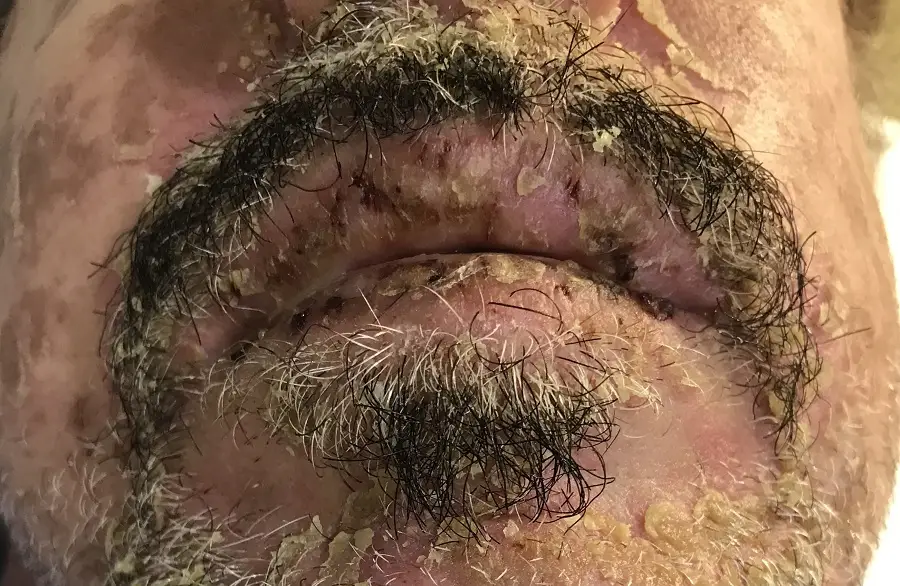
Stevens-Johnson syndrome and toxic epidermal necrolysis represent medical emergencies. Understanding these conditions helps patients and families recognize the seriousness of Lamictal-induced reactions.
Symptoms That Signal a Medical Emergency
- Skin symptoms: Red, painful rash spreading rapidly across face and trunk, blistering and peeling of skin, target-shaped lesions with dark centers.
- Mucous membrane involvement: Severe mouth sores making eating and drinking impossible, painful eye irritation and potential vision loss, genital and anal lesions.
- Systemic symptoms: High fever and flu-like symptoms, difficulty swallowing or speaking, extreme fatigue, and weakness.
Any patient taking Lamictal who develops these symptoms needs immediate emergency medical care and discontinuation of the medication.
Long-Term Consequences
Patients who survive severe SJS/TEN often face permanent complications:
- Scarring and disfigurement affecting large areas of the body
- Vision problems, including blindness from corneal damage
- Chronic pain and sensitivity at affected skin sites
- Psychological trauma from life-threatening experiences
- Ongoing medical needs requiring specialized dermatological care
These permanent consequences form the basis for substantial compensation claims against both pharmaceutical manufacturers and negligent prescribers.
Reported Case Results and Settlement Values

While every case is unique, reported settlements and verdicts in Lamictal cases provide insight into potential compensation ranges:
- $1.03 million Ohio jury verdict for a pediatric Stevens-Johnson syndrome case
- $550,000 Massachusetts settlement for a woman with burns over 60% of her body
- $525,000 Missouri settlement for SJS progression to TEN affecting 98% of a patient's body
These cases share critical characteristics: they involved clear medical malpractice by prescribing physicians who failed to recognize warning signs and immediately discontinue Lamictal when symptoms appeared.
How CohenMalad Approaches Lamictal Cases Differently
We aren't a settlement mill that aggregates cases for quick resolution. With attorneys ranked among the top in the nation and over $1 billion recovered for clients, we’re well-equipped to handle your case.
Our Trial-Ready Approach
- Comprehensive medical expert retention to establish both causation and the standard of care.
- Thorough investigation of prescribing practices and failure to warn.
- Aggressive discovery to uncover what GSK knew about risks and when they knew it.
- Complete documentation of all damages, including future medical needs, as well as pain and suffering.
- Strategic case preparation that maximizes settlement leverage while maintaining trial readiness.
This approach consistently produces positive results because defendants know we will take cases to trial if they refuse to offer fair compensation.
Why Trial Preparation Matters
Many law firms seek quick settlements because they lack the resources or experience to take pharmaceutical cases to trial. This approach leaves money on the table for injured patients who deserve maximum compensation for life-altering injuries.
Our 55+ years of pharmaceutical litigation experience includes taking major cases to verdict, giving us credibility that settlement mills cannot match. When GSK's lawyers know we're prepared for trial, they take our demands seriously.
The Legal Process for Your Lamictal Case
Time Limits for Filing Your Lamictal Lawsuit

Every state has specific deadlines for filing pharmaceutical injury lawsuits. Missing these deadlines could mean losing your right to compensation forever, regardless of how strong your case might be.
Statute of Limitations Considerations
- Discovery rule: In many states, the deadline doesn't begin until you discover (or should have discovered) the connection between Lamictal and your injuries.
- Medical malpractice claims: These often have shorter deadlines than product liability claims.
- Wrongful death cases: These typically have different deadlines that may be shorter than personal injury claims.
- Minor children: Cases involving children may have extended deadlines that don't begin until they reach adulthood.
The interplay between these different deadlines requires immediate legal analysis to ensure your case is filed on time.
Compensation Available for Lamictal Injuries
Victims of Lamictal-induced Stevens-Johnson syndrome and other serious reactions may recover compensation for:
- Medical expenses, including emergency care, burn unit treatment, skin grafts, and ongoing specialist care.
- Lost wages and earning capacity from time away from work and reduced ability to perform job functions.
- Pain and suffering from the physical trauma of severe skin reactions and ongoing complications.
- Permanent disfigurement and scarring affecting appearance and self-esteem.
- Future medical needs for continued dermatological care and reconstructive procedures.
- Wrongful death damages in cases where patients did not survive their reactions.
Factors That Affect Case Value
- Severity of reaction: Complete TEN affecting most of the body warrants significantly more compensation than localized SJS.
- Age of patient: Younger victims face decades of living with permanent scarring and complications.
- Extent of permanent damage: Vision loss, scarring, and ongoing medical needs increase case value.
- Quality of medical evidence: Clear documentation of the progression from Lamictal use to severe reaction supports cases.
- Strength of expert testimony: Medical specialists who can clearly explain causation and standard of care violations can bolster claims.
We fight for compensation that reflects the full impact of your injuries, not just immediate medical bills.

Call Our Lawyers Today!
Don't let them get away with what they've done to you. Contact us now and let us fight for the justice you deserve.

%20B.%20Mulligan%20V.avif)