


One moment, you’re casually driving through Indianapolis. The next, you’re rocked by a sudden impact, and before you realize what’s happening, the other driver is gone.
Whether you were in your car, on a motorcycle, or on foot, a hit-and-run accident can leave you dealing with severe injuries and damaged property, with no responsible party to answer for your losses. In these cases, experienced legal counsel is often necessary to recover compensation.
The Indianapolis hit-and-run lawyers at CohenMalad, LLP, have been guiding injured Hoosiers through these exact situations since 1968. When you work with us, you’ll pay nothing unless we win.
Hit-and-Run Accidents and Indiana Law
Indiana law is specific about what drivers must do after a crash, and equally specific about what happens when they don't. Understanding those rules is essential if you’re filing an insurance claim, working with the police, or deciding whether to pursue legal action.
Driver Responsibilities
Under IC 9-26-1, any driver involved in a crash resulting in injury, death, or property damage must stop at the scene, give their name, address, and vehicle registration to law enforcement, and offer reasonable assistance to anyone who needs it. These duties aren’t optional — Chapter Eight of the Indiana BMV Drivers Manual outlines them in plain terms.
Leaving the scene without performing each of these steps is a criminal offense. The severity of the charge rises with the amount of harm caused, ranging from a Class B misdemeanor for property damage only to a Level 3 felony if someone is killed.
Importantly, the same rules and the same rights apply regardless of how you were traveling at the time of the collision.
Criminal Cases and Civil Claims
Criminal charges and civil liability claims proceed on separate legal tracks.
If the at-fault driver is never found, your only option will be to file a claim through your own insurance policy. If they’re eventually identified, you can pursue compensation through their liability coverage directly. Either way, the steps you take after your accident will determine how strong your position is.
Immediate Steps to Take After a Hit-and-Run Accident
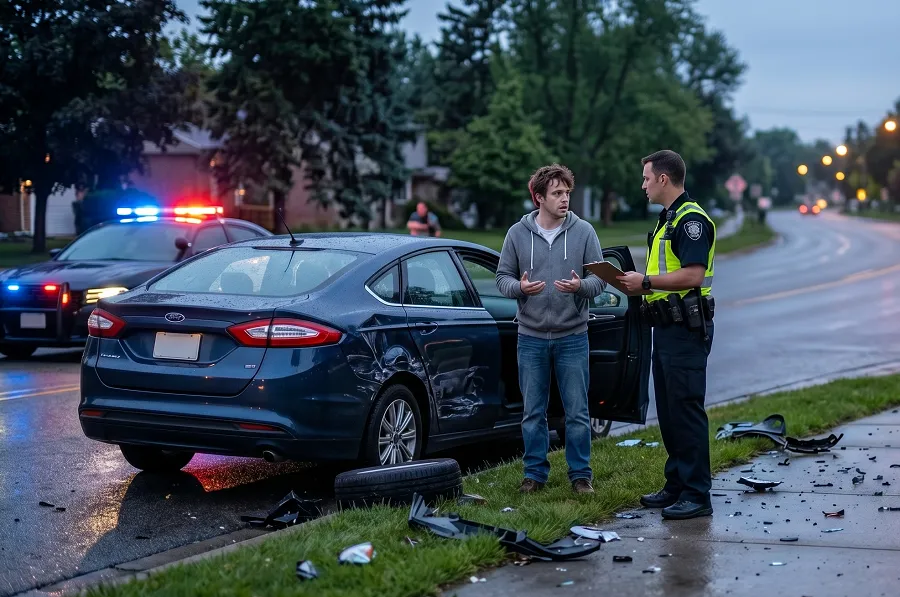
The actions you take directly after your crash can affect both your safety and your right to seek compensation. The following sequence of steps can help you respond appropriately.
If You’re in a Vehicle
- Move to a safe location if it’s safe to do so: On high-traffic roads like I-465 or Meridian Street near Monument Circle, staying in a travel lane can create additional danger.
- Call 911: Give the dispatcher your location, the direction in which the other vehicle fled, and a physical description of that vehicle.
- Stay on the line until police arrive: Dispatchers can advise you on how to stay safe and connect you with emergency services.
- Don’t chase the other driver: While it may be tempting, following a fleeing vehicle can put you in more danger and complicate your own role in the accident.
- Begin documenting the scene as soon as it’s safe: Photos and videos, voice memos, witness accounts, and written notes can all be key evidence for your claim.
- Request emergency medical treatment: Seek medical care on the same day as the accident, and keep records of every diagnosis, treatment, and follow-up appointment.
If You’re a Pedestrian, Cyclist, or Motorcycle Rider
If your injuries prevent you from moving, your priority should be to find someone nearby to call 911. Note the direction the vehicle fled, ask a bystander to photograph the scene if possible, and stay put until police arrive.
Make a point of getting medical attention the same day, regardless of how you feel, as spinal and soft tissue injuries frequently show up hours later. You may have a separate medical claim depending on the circumstances of the accident and the parties involved.
Types of Evidence That Can Support Your Claim
Strong evidence is the foundation of any successful insurance claim or lawsuit after a hit-and-run. The more you can gather at the scene, the stronger your legal position will be.
Visual Evidence
Before anything is moved, cleaned, or washed away, take photos or videos of the following:
- Skid marks, debris, and road conditions at the accident scene
- All visible damage to your vehicle from multiple angles
- Traffic signals, street signs, and nearby landmarks to confirm the location
- Weather conditions and lighting at the time of the crash
- Surveillance cameras on nearby businesses or intersections
- Any visible injuries you’ve suffered
This type of evidence is some of the most compelling you can arm your attorney with as they begin developing your claim.
Details of the Fleeing Vehicle
Even a partial plate is worth recording. Write down every digit and letter you can see, along with the vehicle’s make, model, color, and direction of travel. If for some reason you can’t write, record a voice memo immediately. Memories tend to fade quickly after traumatic events.
Witnesses and Digital Evidence
If anyone stopped or observed the collision, ask for their name and contact information before they leave. A single witness’s account could prove to be the decisive factor when the other driver is unknown.
Back up smartphone photos and videos to a cloud account with timestamps intact. Similarly, any available dashcam footage should be copied to a separate device right away to prevent overwriting.
If a business camera may have captured the accident, have your lawyer send a written preservation request as soon as possible. Surveillance footage is often overwritten within 24–72 hours.
How to Report a Hit-and-Run Accident in Indianapolis
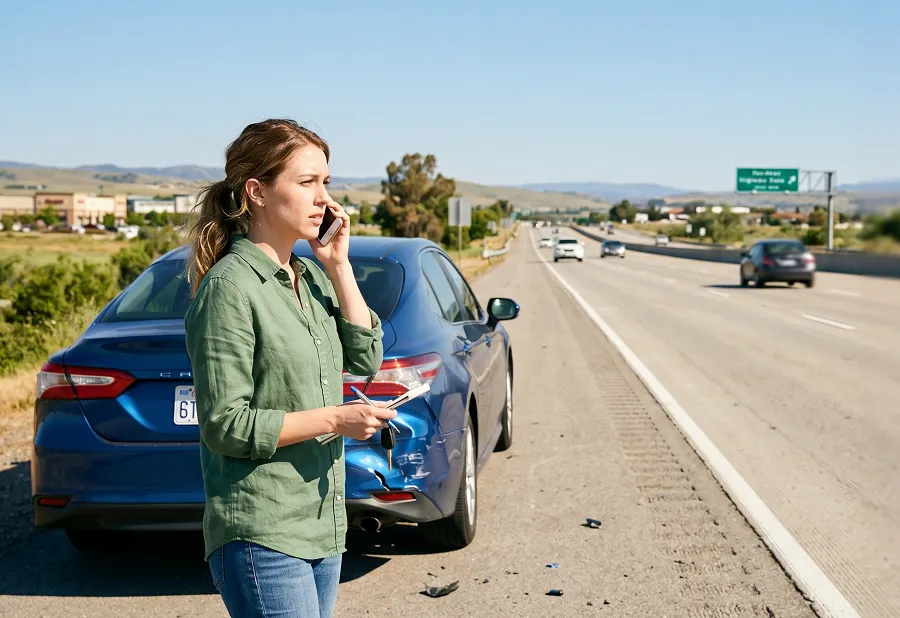
Filing a police report after an accident isn’t just a formality. It’s one of the most important steps you can take to ensure a viable insurance claim and preserve your legal options. Indiana State Police maintains an online portal for requesting crash reports, which can support both.
Reporting at the Scene
When officers arrive, be prepared to give them the following:
- A description of your injuries and symptoms
- All visibly damaged property
- The fleeing vehicle's description and any partial plate information you recall
- Witness names and contact details
- The precise accident location
Don’t forget to ask the responding officer for your case number before leaving the scene.
Reporting After You Leave the Scene
The Indianapolis Metropolitan Police Department handles incidents that take place in Marion County. If you were unable to report the collision at the scene, you can file a police report online.
If the police don’t follow up within a reasonable time frame, contact the investigating agency directly and provide your case number to request a status update.
If you’re curious about how your case will shape up, understanding Indiana's fault-determination rules will help clarify how liability may be assessed once the investigation moves forward.
Filing an Insurance Claim After a Hit-and-Run
If the driver who caused the accident can’t be located, you’ll need to go through your own insurance policy to pursue compensation.
Under IC 27-7-5-2, insurers must offer uninsured motorist (UM) coverage, though policyholders may decline it in writing. This coverage may pay for certain bodily injuries caused by a hit-and-run driver, making it one of the most important protections available.
How to Handle the Insurance Conversation
Many policies have notice deadlines that can result in claim rejection if missed. When speaking with an adjuster, relay the facts of the accident only. Don’t speculate about the cause, downplay your injuries, or estimate the damage before a full assessment is performed. Any statements you give before the facts are clear can be used to reduce your payout.
Taking the time to review the average settlement for a car accident in Indiana can help you set realistic expectations while the investigation proceeds.
What to Do If Your Claim Is Being Delayed or Denied
If your insurer is stalling, disputing your version of events, or pushing for a recorded statement before the facts have been established, it’s best to consult a lawyer. The Indiana Department of Insurance handles consumer complaints when insurers act in bad faith.
Frequently Asked Questions About Hit-and-Run Accidents in Indianapolis
#faqs_start
How long do I have to file a hit-and-run claim in Indiana?
Most personal injury claims in Indiana must be filed within two years of the date of the accident. That deadline applies whether the at-fault driver was identified or not. Insurance claims may have shorter notice windows depending on the policy. Consult an attorney immediately to avoid missing either deadline.
Does uninsured motorist coverage apply to hit-and-run accidents?
Yes. Indiana law requires insurers to offer uninsured motorist coverage, which is specifically intended to cover situations where the at-fault driver is uninsured or unknown. If you declined UM coverage in writing when you purchased your policy, however, you’ll have to find other avenues of compensation.
Can I sue a hit-and-run driver if they’re identified later?
Yes. If the driver is later identified through police investigation, surveillance footage, or witness tips, you can file a claim directly against their liability insurance and potentially pursue them personally if their coverage is insufficient. Your own insurer may also seek subrogation to recover amounts it already paid on your behalf.
What compensation can I recover after a hit-and-run accident in Indianapolis?
Recoverable damages typically include medical expenses (past and future), lost wages and reduced earning capacity, vehicle repair or replacement, pain and suffering, and emotional distress. If the hit-and-run driver is eventually found and their conduct is deemed particularly reckless, punitive damages may also be available.
#faqs_end
Protecting Your Rights After a Hit-and-Run Takes the Right Legal Team
By acting quickly to summon law enforcement, document the accident scene, notify your insurer, and seek medical care, you can protect both your health and your right to pursue compensation before the evidence fades and key deadlines pass. If you’re dealing with serious injuries and mounting bills, however, you'll need the assistance of a qualified attorney.
CohenMalad, LLP, has been representing injured Hoosiers since 1968 — that’s nearly six decades of committed advocacy for victims of personal injury and motor vehicle accidents. We take all injury cases on a contingency basis, meaning there are no fees unless we win for you.
If you’ve been hurt in a hit-and-run in Indianapolis, contact us today for a free case review.

Were You Hurt in a Hit-and-Run in Indianapolis?
CohenMalad, LLP, handles hit-and-run cases on a contingency fee basis, which means there’s no fee unless we win.

Jeffrey A. Hammond is a personal injury lawyer who focuses his practice on serious personal injury and wrongful death cases involving construction accidents, premises liability, defective and dangerous products, industrial accidents, state and local governmental liability, structural collapse, scaffolding accidents, crane accidents, and aerial / scissor lift accidents.
.svg)
